

Running a sober living home requires patience, structure, and exceptional organization. House managers are at the center of this work while handling many tasks. They manage resident intake, collect rent, coordinate meetings, conduct drug tests, track chores, and more. They ensure that residents feel supported, homes stay compliant, operations run smoothly, and daily responsibilities are completed. That’s why One Step Software is a game changer. This purpose built tool streamlines tasks that once took hours each week. It reduces stress and lets managers focus on supporting residents instead of dealing with spreadsheets.
The Daily Challenges House Managers Face
House managers face unique challenges in sober living environments, where they must balance the needs of residents with strict rules and recovery focused routines. They must juggle daily tasks, support residents, and keep everything running smoothly. Sober Livings are structured living spaces designed to help residents transition into independent sobriety. Because of this, the role of a house manager is complex. They are part administrator, part mentor, part coordinator, and part accountability partner. Some unique challenges these house managers face include:
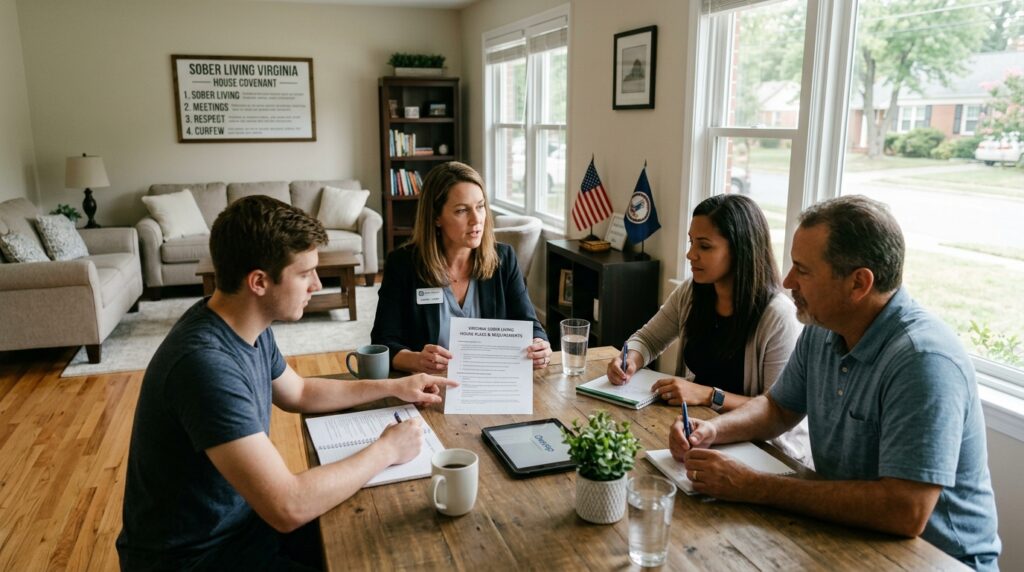
- Resident onboarding & records: Before a resident even moves in, the house manager is responsible for reviewing applications, conducting interviews, collecting documents, and ensuring intake information is accurate and complete. Many homes still rely on paper applications or emailed forms that are saved in random folders. This can create challenges such as, information can be easily lost, details may be incomplete, collecting documents etc.
- Financial tracking: Rent payments, fees, and deposits must be monitored. A missed payment can create extra work and conflict. Rent collection should be simple, but in sober living environments it often isn’t. Managers track weekly or monthly payments, deposits, fees, and sometimes even transitional financial plans. Expert Miranda Callam with Safer Sober Living says, “when tasks are done by hand or in spreadsheets, it takes hours each month and increases the risk of miscalculations, missed payments, and difficulties reporting financials to owners or directors.” A single mistake can lead to uncomfortable conversations or unnecessary conflict.
- Chores, tasks & accountability: Managers need to ensure residents complete chores and attend meetings. Without a central system, things can easily slip through the cracks. Chore completion is an essential part of sober living. It teaches responsibility, structure, and daily consistency, but making sure everyone completes their tasks isn’t easy without a reliable system. Verbal reminders, whiteboards, or printed chore charts can quickly become outdated. When responsibilities slip, it affects the cleanliness and harmony of the entire home. House managers also track meeting attendance, curfew compliance, and program participation.
- Drug testing, compliance & reporting: Managers record test results, keep incident reports, and make sure the home follows the rules from the National Alliance for Recovery Residences (NARR) or local licensing agencies. When managers rely on paper logs or scattered notes, it becomes difficult to provide clear and correct reports later.
- Staff coordination & communication: In homes with multiple staff or locations, clear communication is essential to avoid misunderstandings. House Managers must communicate clearly with directors, case managers, support staff, and other managers. Without a shared platform, communication becomes fragmented and can result in living in text messages, phone calls, and handwritten notes.
- Time consuming & manual work: Spreadsheets and paper logs take time that could be spent supporting recovery. They also increase the chances of mistakes and missing important information. Switching to a digital system helps staff stay organized and focus more on the people they serve.
These challenges show why a well designed house manager software is essential. It streamlines daily operations, reducing manual effort and the risk of oversight. Using the right tools helps organizations run smoothly. This keeps things organized and reduces stress for everyone involved. Manual systems also create stress. When managers worry about missing information, forgetting tasks, or making errors, they spend more time reacting to problems instead of proactively guiding the home. This is where technology makes a meaningful difference.
How One Step Improves Day-to-Day Operations
Here’s how One Step software helps house managers operate more smoothly:
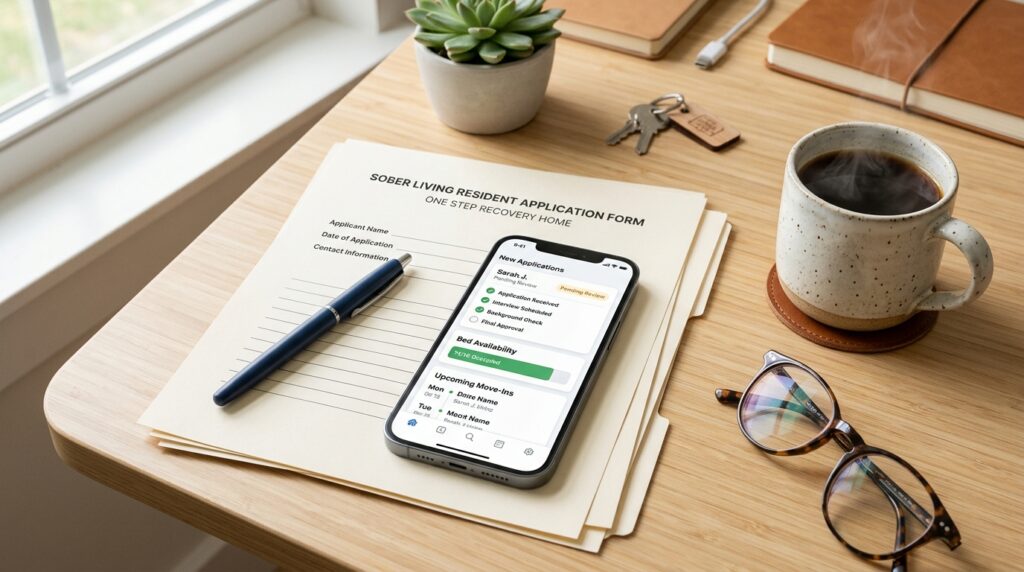
- Resident profile information all in one place: All intake information, documents, test results, and notes are in one place. No more toggling through spreadsheets or shuffling paper files.
- Automated billing & payment tracking: The software sends reminders to residents, tracks payments, and flags late invoices. This means fewer follow-ups and less hassle.
- Task and chore management: Managers can assign tasks, track completion, and get alerts for overdue items. They can stay organized without micromanaging.
- Room/Bed and occupancy tracking: Quickly see open beds, move-ins/outs, and occupancy levels. This helps with planning.
- Compliance, incident logs & test tracking: Managers can track drug test results and rule violations, and create reports whenever they need them.
- Staff coordination & communication tools: Integrated messaging and specific staff based permissions help keep everyone on the same page in multiple facilities. 90% of staff members say One Step software makes it easier for staff to coordinate and avoid confusion.
- Reporting & analytics: Insights into trends and performance help managers make smarter decisions and show results to stakeholders.
When house managers have the right tools, residents feel the difference. A structured, organized home creates stability which is something that is important during early recovery. This gives house managers more time for mentorship and building a positive environment, which is why they love this solution. Fewer mistakes, fewer misunderstandings, and fewer administrative headaches mean house managers can bring their best selves to the job each day. One Step Software helps sober living programs operate at a higher level of professionalism while preserving the supportive, community driven spirit that makes recovery housing so valuable.
House managers love it because it makes their lives easier. Residents appreciate it because it helps create a predictable, safe environment. And program directors value it because it improves consistency, compliance, and overall performance. When the work is important, the tools should be too and One Step delivers exactly what sober living homes need. If you’re a house manager or administrator seeking a better way to manage your sober living residence, reach out to info@onestepsoftware.com.