
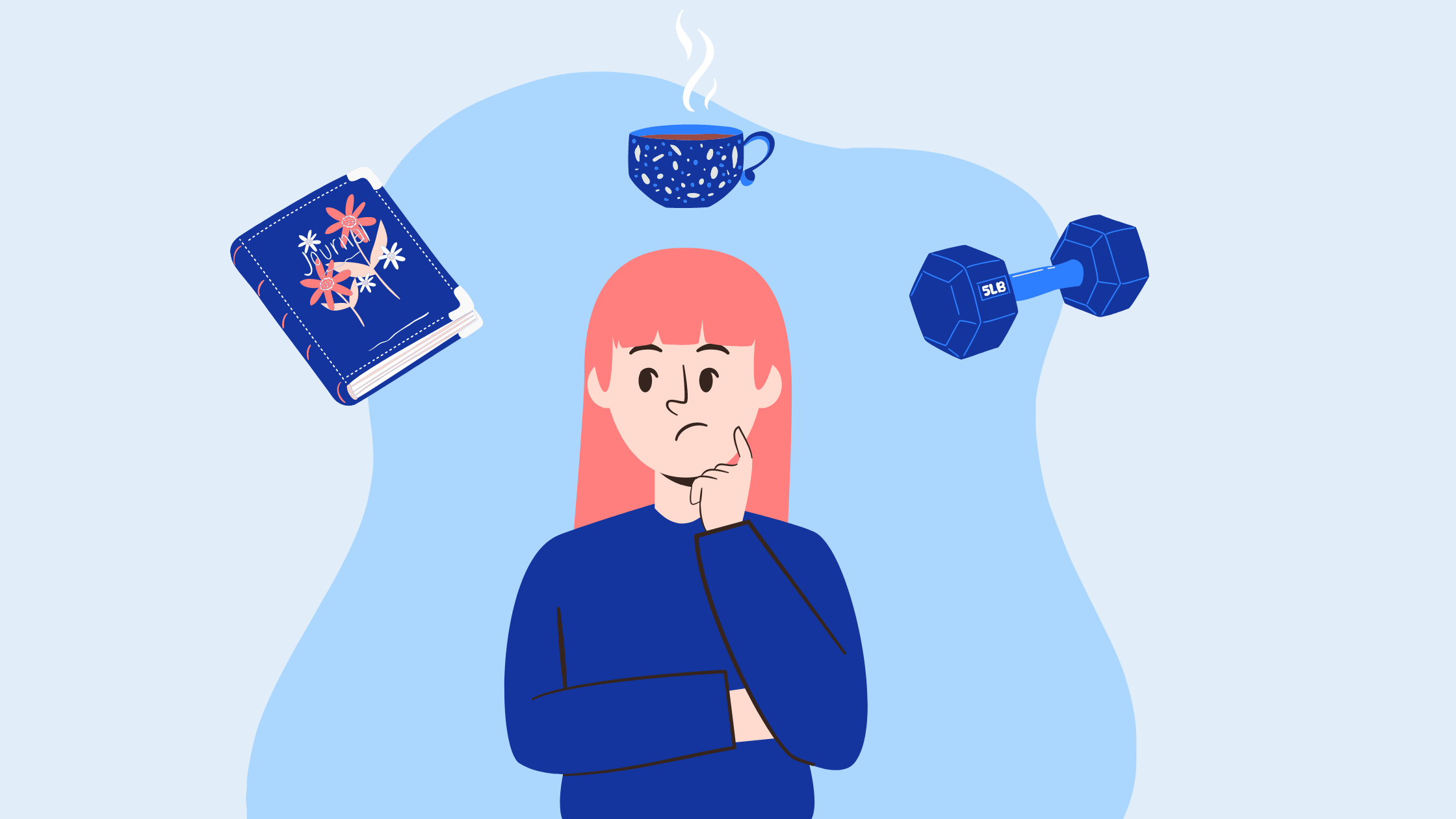

Helping patients build life skills and coping strategies is a big part of the recovery process in treatment centers. Whether they’re dealing with addiction or mental health challenges, learning life skills and creating coping strategies plays a large role in setting them up for success. These tools not only help them manage day to day stress but also gives them the confidence to create a better future.
Life Skills for Everyday Success
Life skills training is all about helping patients handle everyday tasks and responsibilities as these can feel daunting after years of struggling with addiction or mental health issues. This training covers basic but essential things like budgeting, cooking, finding a job, and personal care habits. It also digs into social skills, like how to set boundaries or communicate effectively. When patients learn these skills, they gain control over their lives again, which builds confidence and reduces the chances of relapse.
Coping Strategies for Tough Times
Learning how to cope with stress, cravings, and tough emotions is another part of building resilience. Treatment centers focus a lot on teaching patients healthy ways on how to handle life’s ups and downs. Cognitive behavioral techniques help patients recognize and adjust negative thought patterns, while mindfulness practices like meditation or breathing exercises can keep them grounded during stressful moments.
Creative outlets, such as art or writing, are also encouraged as a way to express and process emotions. And, of course, group therapy and peer support help patients realize they’re not alone, which is very important for staying resilient.
Why It All Matters
The goal isn’t just to help patients get through treatment but to help them thrive long afterwards. By mastering life skills and coping strategies, patients leave treatment with the tools they need to handle future challenges and stay on track with their recovery. They feel more capable, empowered, and ready to take on life without falling back into old habits.
In short, teaching life skills and coping strategies helps patients build resilience, giving them a solid foundation for a healthier and happier future. Want to learn what tools One Step can provide to help your treatment center? Contact us today!