

Key Takeaways
- Strong house rules are directly linked to higher recovery success rates
- Consistency and enforcement matter just as much as the rules themselves
- Structure reduces chaos, which is a major relapse trigger
- Clear expectations improve resident retention and satisfaction
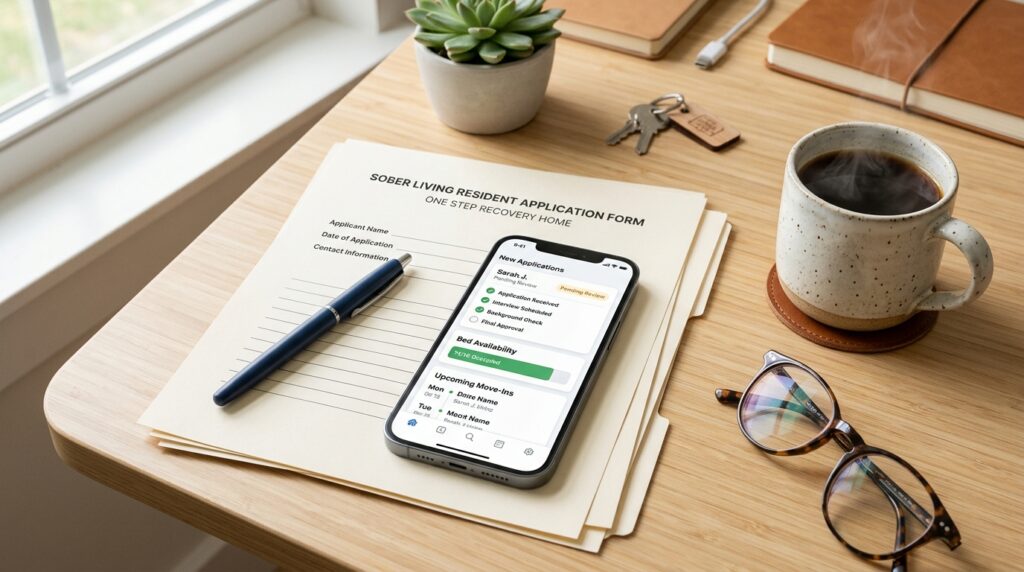
- Technology platforms like One Step help enforce rules and track compliance
- The best sober livings balance accountability with support
Why House Rules Matter More Than You Think
Running a sober living home is about creating an environment where recovery can actually happen.
According to the National Institute on Drug Abuse (NIDA), relapse rates for substance use disorders range from 40% to 60%, similar to other chronic diseases. However, structured recovery environments like sober living homes with clear rules can significantly reduce that risk.
Without rules, sober living becomes just shared housing. With rules, it becomes a recovery system.
“Structure is not punishment but protection. In early recovery, predictability can be the difference between relapse and stability.”
— Clinical Recovery Specialist
The Core Categories of Sober Living House Rules
To make your home effective and scalable, your rules should fall into six key categories:
1. Sobriety Rules (Non-Negotiable)
These are the backbone of any sober living home.
Essential rules include:
- Zero tolerance for drugs and alcohol
- Random drug and alcohol testing
- Immediate consequences for relapse (clear policy required)
- No paraphernalia allowed on premises
Why it matters:
Even one resident using can destabilize the entire house.
Stat: Homes that enforce regular testing see up to 30% lower relapse rates compared to those that don’t.
“Accountability is the bridge between intention and action in recovery.”
— Licensed Addiction Counselor
2. Program Participation Requirements
Recovery doesn’t happen in isolation.
Typical rules:
- Attend a set number of weekly meetings (AA, NA, etc.)
- Work with a sponsor or mentor
- Participate in house meetings
- Engage in outpatient programs if required
Best Practice: Track attendance digitally using platforms like One Step, which allows operators to monitor compliance in real time. Learning how to stay compliant is a huge deal in the industry.
3. Curfews and Daily Structure
Idle time is one of the biggest relapse triggers.
Common rules:
- Weekday and weekend curfews
- Required wake-up times
- Scheduled chores or responsibilities
- Employment or job-seeking requirements
Insight: The more structure a home provides, the higher the likelihood of sustained recovery.
4. Financial Responsibility
Financial accountability is part of rebuilding independence.
Rules should include:
- Rent due dates and late fees
- Security deposit policies
- Clear consequences for missed payments
Why it matters:
Consistent payment habits mirror real-world expectations and prepare residents for independent living.
5. Respect and Community Standards
A sober living is a shared environment, it must feel safe and supportive.
Key rules:
- No violence or threats
- Respect quiet hours
- Clean shared spaces
- No stealing or borrowing without permission
“Recovery thrives in environments where people feel safe, respected, and seen.”
— Behavioral Health Researcher
6. Visitors and Relationships
This is often overlooked but it’s critical.
Common policies:
- Restricted visiting hours
- No overnight guests
- Approval required for visitors
- No romantic relationships between residents
Why it matters:
Unregulated visitors can introduce triggers, substances, or conflict.
How to Enforce House Rules Effectively
Rules are only as good as their enforcement.
What Works:
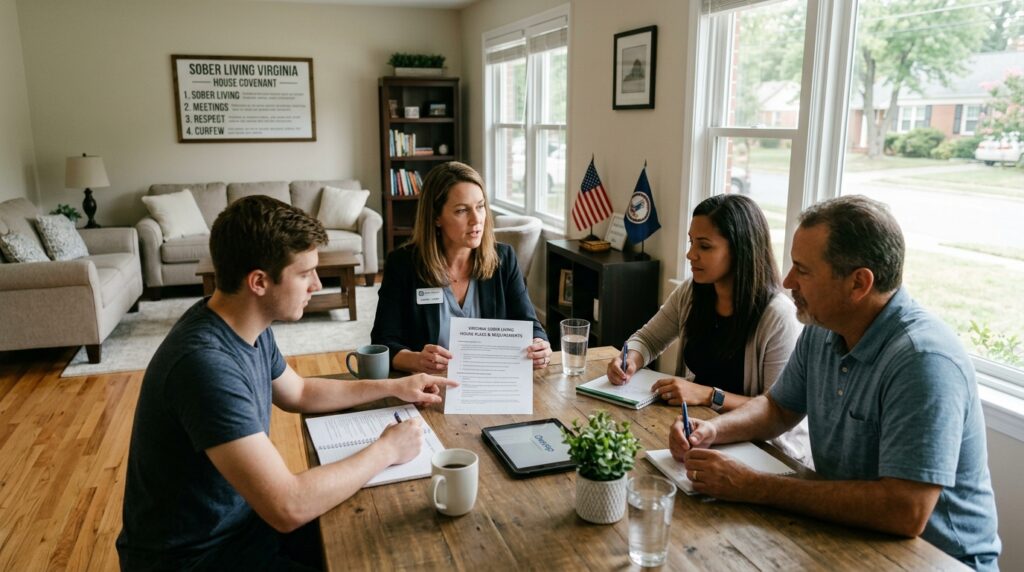
- Written agreements signed at intake
- Consistent enforcement (no exceptions)
- Clear consequences outlined upfront
- Documentation of incidents
What Doesn’t Work:
- Making exceptions for certain residents
- Vague or unwritten rules
- Delayed consequences
The Role of Technology in Rule Enforcement
Modern sober living operators are moving away from spreadsheets and paper tracking.
Platforms like One Step help you by providing important tools:
- Track attendance at meetings
- Monitor drug test results
- Log incidents and violations
- Automate rent tracking
This not only saves time but also creates data-backed accountability, which improves outcomes and protects your business.
Real-World Data: What Rules Matter Most?
Based on industry data and operator feedback, here’s what has the biggest impact:
| Rule Type | Impact on Recovery |
| Drug Testing | High |
| Meeting Attendance | High |
| Curfews | Medium-High |
| Financial Accountability | Medium |
| Visitor Restrictions | Medium |
Common Mistakes Sober Living Owners Make
These mistakes can quietly undermine your entire program:
- Too many rules → residents feel overwhelmed
- Too few rules → chaos and inconsistency
- Inconsistent enforcement → loss of credibility
- No documentation → legal and operational risk
- Ignoring feedback → missed opportunities for improvement
How to Balance Accountability and Support
This is where many operators struggle.
You’re not running a prison but you’re also not running a free-for-all.
The balance looks like:
- Clear rules + compassionate communication
- Firm consequences + second chances (when appropriate)
- Structure + flexibility for real-life situations
“The best sober living homes don’t just enforce rules but they teach residents how to live within them.”
— Recovery Housing Consultant
FAQ: Sober Living House Rules
What is the most important rule in a sober living home?
The most important rule is zero tolerance for drugs and alcohol, as it protects all residents and maintains the integrity of the environment.
How strict should sober living rules be?
Strict enough to ensure safety and accountability, but not so rigid that they feel punitive. The goal is structure, not control.
Should sober livings require employment?
Yes, in most cases. Employment or active job searching helps residents build responsibility and independence.
How do you handle rule violations?
Have a clear, written policy. Consequences can range from warnings to discharge, depending on the severity.
Can technology really improve compliance?
Absolutely. Platforms like One Step streamline tracking, reduce human error, and provide real-time visibility into resident behavior.
How often should rules be updated?
Review rules at least annually—or whenever you notice recurring issues or operational challenges.