

As the demand for addiction recovery services continues to rise, sober living homes have become a vital part of the recovery ecosystem. If you’re already operating a successful sober living home, you might be thinking about how to expand your impact, and your revenue, by opening additional locations. This post will walk you through how to open a sober house, from choosing your next location to managing growth sustainably.
Whether you’re new to the idea of expansion or already have plans underway, this guide will help you scale your operations effectively.
Why Expand Your Sober Living Business?
Before diving into how to open a sober house in a new area, it’s important to understand the benefits of expanding your sober living business:
Meet rising demand: There may be a demographic of people that aren’t being served by the current recovery community in your area.
Create community impact: Every new house provides a stable environment that supports long-term sobriety and helps reduce relapse rates.
Increase profitability: With the right operational model, you can help people and make enough money to turn a profit.
Leverage your systems: If you’ve already developed strong policies, staff training programs, and marketing strategies, expansion allows you to multiply those systems.
Now let’s explore the step-by-step process of how to open a sober house in a new location.
1. Evaluate Your Existing Operations
Before replicating your model, ensure your current sober home is running smoothly. Review:
Occupancy rates
Financial performance
Resident satisfaction
Staff retention
Compliance with local and state regulations
Use this as your blueprint for new locations. If you’re struggling with consistency or profitability, address those issues before expanding. Look into guides on rent collection tips and more.
2. Identify a Viable Market
Location is everything. When figuring out how to open a sober house in a new area, assess:
Need: Are there treatment centers or detox facilities nearby? A steady referral pipeline is crucial.
Competition: How many other sober homes are in the area? Are you trying to address a population that already has plenty of options?
Zoning regulations: Some municipalities restrict group housing or require special use permits.
Cost of property: Real estate prices, taxes, and maintenance costs will impact your margins.
Tools like Google Trends, local public health data (ex: the census for your city), and community assessments can help determine where a sober house is most needed. You can even ask your residents for any trends they may see in people who struggle to find housing.
3. Secure Funding and Budget Wisely
Opening a new sober house requires upfront capital. Typical costs include:
Down payment or lease costs for the property
Renovations to meet housing codes
Furnishings, supplies, and appliances
Licensing or registration fees
Staff recruitment and training
Marketing and outreach
Sources of funding may include:
Private investors
Loans
Internal cash flow from your existing business
Create a detailed list to forecast your startup costs and breakeven timeline.
4. Find the Right Property
Choosing the right property is a cornerstone of successfully opening a sober house. Look for:
Enough bedrooms and bathrooms to accommodate residents comfortably
Communal living and dining space
Safe and quiet neighborhood with access to public transportation
Proximity to 12-step meetings, outpatient programs, and employment opportunities
Properties zoned for residential use that allow group living (check with the city!)
Make sure to conduct inspections and obtain the proper occupancy permits before opening.
5. Develop Standard Operating Procedures (SOPs)
Standardizing your operations across locations ensures consistency and compliance. Your SOPs should include:
Admission criteria and intake process
House rules and consequences
Staff roles and responsibilities
Drug testing protocols
Emergency procedures
Financial policies, including rent and fees
Document everything so you can replicate your model efficiently as you continue to grow.
6. Hire and Train the Right Team
When planning how to open a sober house in a new area, staffing is one of the most important steps. Hiring qualified, compassionate people ensures a safe, recovery-focused environment. You’ll need:
House managers or peer support staff
Administrative support
Maintenance or cleaning staff
A clinical consultant or case manager (if offering support services)
Invest in training around ethics, boundaries, trauma-informed care, and relapse prevention. A strong team will uphold your reputation and mission.
7. Navigate Licensing and Legal Requirements
Each state has different regulations for recovery residences. Some require certification from organizations like the National Alliance for Recovery Residences (NARR) or approval from local health departments.
Your checklist should include:
Business license
Fire inspections
Occupancy permits
Local zoning compliance
Insurance (general liability, property, and possibly professional liability)
Staying compliant protects your business and your residents.
8. Launch a Strategic Marketing Plan
To fill beds quickly in your new sober home, you’ll need a targeted marketing strategy:
Build relationships with local treatment centers and detox programs
Set up a Google Business Profile for local SEO
Attend recovery-related events and networking groups
Optimize your website with content about “how to open a sober house” and your unique approach
Use social proof such as testimonials and alumni stories
Be clear about what sets your home apart — whether it’s structure, peer support, employment readiness, or trauma-informed care.
9. Monitor and Adjust Operations
Once your new sober house is open, regularly track KPIs such as:
Bed occupancy
Resident retention
Incidents or rule violations
Staff performance
Budget adherence
Use feedback from residents and staff to improve operations. Schedule regular audits to ensure the new house aligns with your core mission and standards.
10. Plan for Long-Term Growth
If your goal is to open multiple sober homes over time, think strategically:
Consider a hub-and-spoke model, with a central administrative office supporting multiple homes.
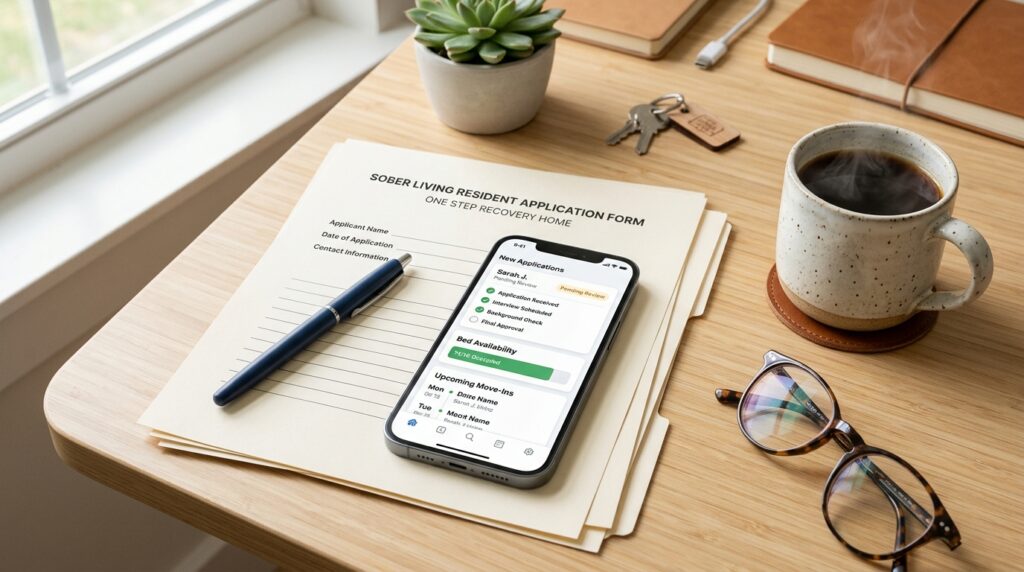
Invest in property management software to streamline rent collection, incident reporting, and staff communication.
Build a referral network that serves multiple houses in the same region.
Establish a leadership pipeline, so existing staff can step into roles at new homes.
Each expansion gets easier when your systems are dialed in.
Opening Your Next Sober House with Confidence
Learning how to open a sober house is just the beginning. As you scale your sober living business, each new location becomes a chance to help more people achieve lasting recovery.
With careful planning, the right team, and a commitment to your mission, you can expand sustainably — and make a powerful difference in your community.
Ready to grow your sober living network? Start with the steps above, and then check out One Step’s software. We support growing businesses like yours and make expansion easy to manage.