

Key Takeaways
- Digital intake creates consistency from day one
Standardized forms ensure every resident receives the same expectations, agreements, and structure—setting the tone for the entire recovery experience. - It reduces errors and administrative workload
Replacing paper forms with digital systems minimizes missing information, illegible entries, and manual data entry, freeing staff to focus on residents. - Residents prefer completing forms before arrival
Digital intake allows residents to handle paperwork ahead of time, leading to smoother, less stressful move-ins. - Digital documentation strengthens accountability and transparency
Electronic signatures and centralized records make agreements clear, verifiable, and easily accessible when issues arise. - Centralized systems improve operations beyond intake
Managing all documentation in one place supports ongoing recovery processes, staff coordination, and long-term organizational consistency.
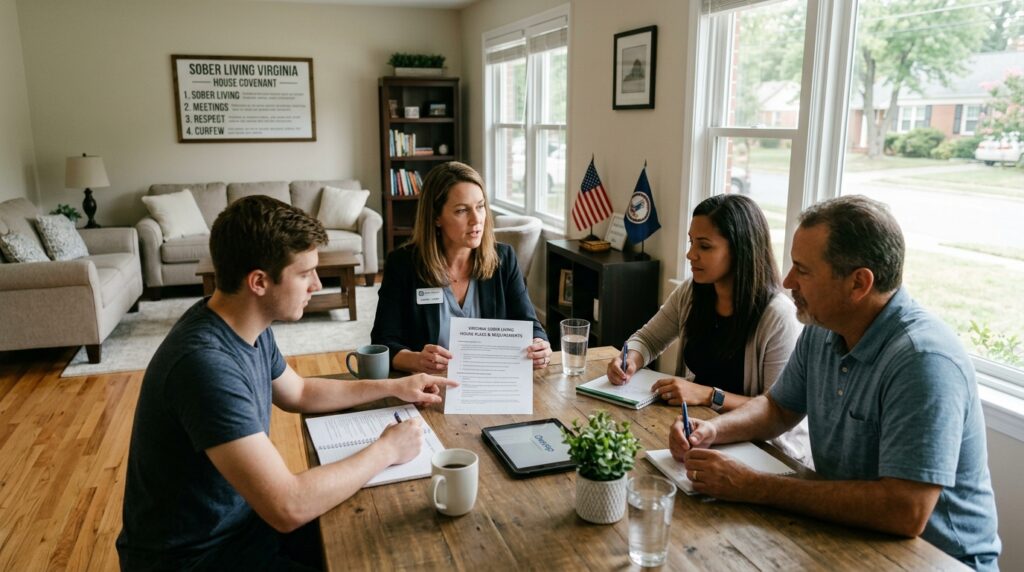
Intake is one of the defining moments in a resident’s first days of sober living. Expectations get set, boundaries become clear, and accountability starts to feel real.
Many homes still run intake with printed packets, handwritten agreements, or PDFs completed during move in. Staff end up chasing missing signatures, correcting gaps, and digging through email threads later when questions come up.
Healthcare teams faced the same paperwork problem for years. Evidence from the Agency for Healthcare Research and Quality, tied to electronic documentation shows digital documentation improves efficiency, accuracy, and care coordination compared with paper based processes. This frees up staff time for the work that matters most.
Digital intake in sober living solves the same operational problem. It replaces administrative friction with structure.
Why Digital Intake Matters in Sober Living Homes
Recovery housing depends heavily on consistency. Residents benefit when expectations are clear and applied the same way for everyone entering the home.
The Substance Abuse and Mental Health Services Administration (SAMHSA), explains that recovery housing should promote “structure, accountability, and peer support” as core components of recovery environments. These elements become difficult to maintain when onboarding processes vary from resident to resident or when documentation is incomplete.
Digital intake forms help ensure every resident signs the same agreements, receives the same expectations, and begins residency under consistent conditions. Consistency at intake often becomes consistency throughout the house.
Digital Forms Improve Accuracy and Reduce Administrative Errors
Paper documentation introduces predictable problems. Forms may be incomplete, illegible, or missing altogether. Staff often need to manually transfer information into spreadsheets or files, increasing the likelihood of mistakes.
A large systematic review published in the European Journal of Public Health found that electronic record systems improved documentation quality and reduced errors caused by manual transcription. Researchers concluded that digital systems support “better availability and accuracy of patient information,” improving operational reliability across organizations.
In sober living homes, accurate documentation protects both residents and operators. Expectations remain clear, policies are documented consistently, and accountability feels fair rather than personal.
Residents Often Prefer Completing Forms Before Arrival
Entering sober living frequently occurs during a stressful transition period. Residents may be leaving treatment, relocating quickly, or navigating uncertainty about the next phase of recovery.
Research published in the Journal of Medical Internet Research examining electronic intake and digital forms found that participants preferred completing forms electronically ahead of time rather than during in-person intake. Digital onboarding reduced stress and improved preparedness for appointments and transitions.
For sober living homes, this translates into calmer move-ins. Residents arrive informed and ready to focus on recovery rather than paperwork.
Digital Consent and Agreements Strengthen Accountability
House rules, behavioral expectations, and consent agreements are foundational to sober living environments. When these documents are handled inconsistently, misunderstandings follow.
A systematic review on electronic consent published in JMIR Medical Informatics found that digital consent processes improved comprehension and reduced documentation errors compared with traditional paper consent systems.
Digital signatures also create verifiable records showing when agreements were reviewed and accepted. This protects residents while helping operators maintain transparent expectations.
Centralized Forms Support Ongoing Recovery Operations
Intake is only the beginning. Sober living homes must continue documenting resident progress, incidents, policy acknowledgments, and discharge planning throughout residency.
The National Alliance for Recovery Residences (NARR) identifies documentation and operational consistency as core standards for recovery housing quality. NARR standards stress maintaining clear records to support safety, fairness, and program credibility across staff and houses.
Centralized digital forms allow sober living homes to manage:
- intake agreements
- incident reports
- drug testing logs
- house meeting documentation
- policy acknowledgments
- discharge records
When documentation lives in one system, staff transitions become smoother and expectations remain consistent.
Security and Privacy Matter
Sober living homes handle sensitive personal and recovery information. Paper files can be lost, damaged, or accessed unintentionally.
Cybersecurity guidance from the Cybersecurity and Infrastructure Security Agency (CISA), notes that electronic record systems allow organizations to implement access controls, activity logging, and audit trails that are difficult to achieve with physical documentation.
For residents rebuilding trust and stability, secure handling of personal information reinforces safety and professionalism.
What to Look for in Digital Intake Software for Sober Living
Not all form software works well for recovery housing.
Federal health IT research shows organizations achieve the greatest efficiency gains when intake information flows directly into operational workflows rather than existing as standalone documents.
Effective sober living intake software should include:
- mobile-friendly resident forms
- digital signatures
- automated reminders for incomplete forms
- centralized resident document storage
- role-based staff permissions
- reusable templates across houses
- operational reporting visibility
Digital intake works best when it supports daily house operations instead of creating additional administrative systems.
Why Generic Form Builders Often Fall Short
Many sober living operators begin with basic online forms or shared documents. These tools can collect information but often fail as operations grow.
Research examining electronic documentation adoption found that fragmented systems reduce efficiency and create workflow breakdowns when information must be manually transferred between platforms.
Recovery housing depends on predictable structure. Systems that scatter documentation across multiple tools make consistency harder to maintain.
What This Looks Like in Practice
In practice, digital intake should feel almost invisible.
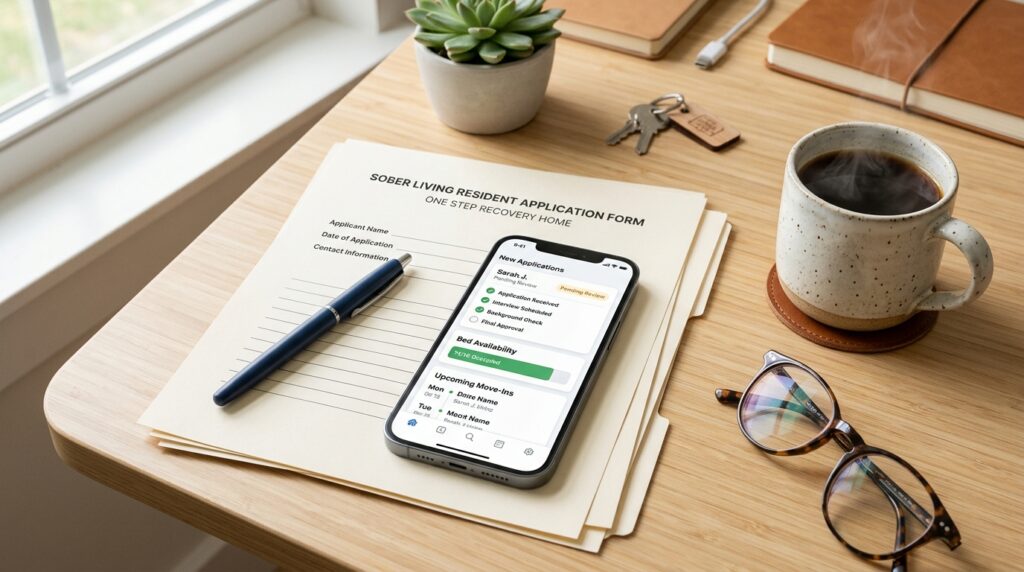
Residents complete agreements before arrival. Staff review documentation ahead of time. Signatures are captured automatically. Policies remain accessible months later without searching through binders or email chains.
House managers spend less time managing paperwork and more time supporting residents. That is the role One Step Software is built to play.
One Step centralizes intake forms, resident documentation, communication, and accountability into a single system designed specifically for sober living homes. Operators gain visibility without hovering. Staff work with clear tools. Residents experience consistent expectations from day one.
If you want to see how digital intake works within a sober living workflow, you can book a short demo to explore whether One Step Software fits how your operation runs.
FAQs
Why are digital intake forms better than paper forms?
Research across healthcare systems shows electronic intake improves documentation accuracy, reduces administrative workload, and strengthens coordination.
Do digital forms replace personal interaction?
No. They remove paperwork friction so staff can focus on orientation, expectations, and relationship building.
Can smaller sober living homes benefit from digital intake?
Yes. Centralized documentation reduces workload for smaller teams managing multiple responsibilities.
Are digital intake systems secure?
Modern systems provide controlled access, audit trails, and encryption protections recommended by federal cybersecurity guidance.
When should operators move to digital intake?
Usually when paperwork begins slowing down move-ins, documents become difficult to track, or the operation expands beyond a single house.