

Running a sober living home comes with some financial challenges. Rent, utilities, staffing, transportation, supplies, drug testing kits, maintenance, and more. All of these costs add up fast.
Many homes look to grants for support, but grants can be competitive, and time consuming to apply for. Even if one is won, the funding usually isn’t guaranteed for the next year and the year after that.
The good news? There are other ways to raise money that don’t rely on grants! With a little creativity and a little help from your community, you can build multiple sustainable income sources that strengthen your organization long term.
Here are some practical and effective ways sober living homes can raise money to stay open and continue helping people rebuild their lives.
1. Host Community Fundraising Events
Events bring people together and give your sober living home visibility while raising funds. You don’t need anything fancy, simple and heartfelt events can make a big impact. This is also a good time to make sure you have a good neighbor policy.
Some ideas for these events could be:
• Recovery Awareness Walks or Runs
Partner with local gyms, wellness centers, businesses or even restaurants to sponsor the event. Participants can raise money through registration fees or pledges.
• Community Yard Sales
Ask supporters to donate items. You handle the sale, and profits go straight to your program.
• Cookouts or Potlucks
People love food! Gatherings like spaghetti dinners or BBQ fundraisers are both affordable and great for building community.
• Silent Auctions or Raffle Nights
Local businesses often donate goods or services. You can auction off gift cards, baskets, artwork, or experiences.
The biggest benefit for this is events raise both money and awareness of your mission, great for bringing in long term supporters.
2. Partner With Local Businesses
Many businesses want to give back locally, and we all know sober living homes can use even the smallest contributions.
Here are simple partnership ideas:
• Sponsorships
A business can “sponsor a room,” “sponsor a resident,” or support a specific project (furniture upgrades, transportation, etc.).
• Donation Drives
Local businesses could donate cleaning supplies, bedding, toiletries, or food. These aren’t cash donations but would greatly reduce typical expenses.
• Percentage Nights
Restaurants or shops donate a percentage of sales on a specific day to your program. These are great for organization parties and can get friends and family involved.
3. Create a Monthly Donor Program
Monthly donors are one of the keys to financial stability. Even with small recurring donations like $10 or $20 a month, they add up quickly and give you predictable income.
You can encourage sign-ups by:
Share real stories about the impact of your home
Offer tiered giving levels
Give small perks like newsletters or recognition
Make sign up simple on your website
People are more likely to give when they understand exactly how their money helps. There are many ways to help find investors!
4. Launch a “Sponsor a Resident” Program
Many supporters want to help directly, and sponsoring a resident allows these donations to feel personal and impactful.
You can create sponsorship opportunities such as:
- Covering a resident’s first week or month of rent or program fees
- Helping with transportation fees
- Funding job training or education
- Supplying essentials like cleaning items or bed sheets
A sponsorship program also builds connections between your sober living home and community members who want to see residents succeed.
5. Use Social Media Campaigns
Your sober living home doesn’t need a huge following to use social media effectively. The key is consistency and authenticity!
Types of campaigns that raise money include:
• Facebook or Instagram Fundraisers
Supporters can donate directly through the platform.
• “One Day Giving” Events
Choose a single day, like Giving Tuesday or your program’s anniversary, and gather supporters around a specific goal.
• Behind-the-Scenes Content
Sharing success stories, progress updates, needs lists, or what a typical day in the house looks like creates emotional connection.
6. Offer Workshops, or Classes
Sober living homes have valuable knowledge and experience that people want to learn from.
You can charge small fees for:
- Narcan training
- Recovery education workshops
- Family support classes
- CPR or first aid certification (if your staff is trained to teach it)
These services raise money while providing value to your community.
7. Sell Merchandise
Branded merchandise not only raises funds, it also spreads awareness. Popular items could be t-shirts, bracelets, stickers, or hats!
You can sell them at events or on your website. Many sober living communities use merchandise to help residents feel a sense of pride and belonging.
8. Fundraising Through Alumni
Alumni are usually grateful for the role your home played in their recovery. There are many that are excited to give back once they’re financially stable.
You can involve alumni through:
- Alumni events or reunions
- Alumni sponsorship circles
- Alumni volunteer opportunities
Alumni relationships build the heart of your community and can become a long term support system.
10. Crowdfunding for Specific Projects
Crowdfunding is most effective when it’s tied to a clear goal. It should be something that people can visualize like:
- Buying a house van
- Renovating bedrooms
- Upgrading security
- Purchasing furniture
- Emergency repairs
Platforms like GoFundMe or Fundly make it easy to share your mission and track progress publicly.
Final Thoughts: Think Beyond Grants
Grants are great when they’re available, but they don’t have to always be the only source of funding for your sober living home. By changing up your fundraising efforts with these ideas, you create stability that helps your home grow and serve residents.
Your community wants to support recovery. They usually just need a clear and inviting way to get involved.
Want help staying organized while growing your sober living?
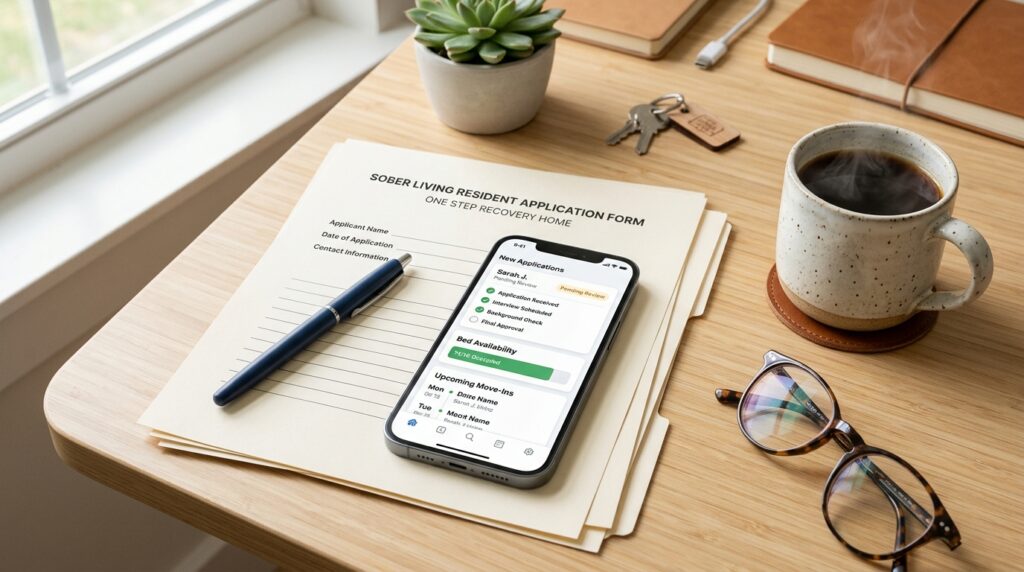
If your sober living home is expanding, supporting more residents, or managing multiple funding streams, One Step Software can help you stay organized. From resident documentation to staff communication to progress tracking, One Step makes running a recovery home easier, so you can focus on your mission.